A prion is a misfolded protein that can induce normal proteins in the brain to misfold in the same way, causing neurodegenerative diseases known as transmissible spongiform encephalopathies (TSEs).
Prions are infectious agents that contain no nucleic acids (DNA or RNA). Their propagation is based purely on protein misfolding and self-replication.

Animals:
• Scrapie (sheep, goats)
• Bovine spongiform encephalopathy (BSE)
• Chronic wasting disease (deer, elk)
Humans:
• Creutzfeldt-Jakob disease (CJD)
• Variant CJD (vCJD)
• Kuru
• Fatal familial insomnia (FFI)
Prions challenge the central dogma of molecular biology, as they can transmit information and cause disease without DNA or RNA.

The normal prion protein (PrPC) is harmless and found on cell surfaces. When it misfolds into PrPSc, it becomes insoluble and forms clumps that damage brain tissue.
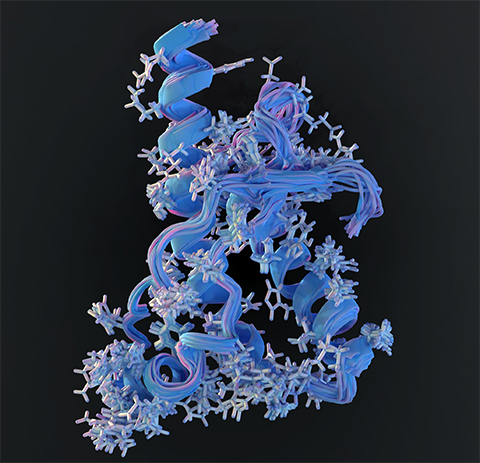

CJD (humans): a rare, fatal brain disease that progresses rapidly.
BSE (cattle): mad cow disease, spread through contaminated feed.
Rapid dementia, memory loss, confusion, difficulty speaking or walking, personality changes, and weight loss.
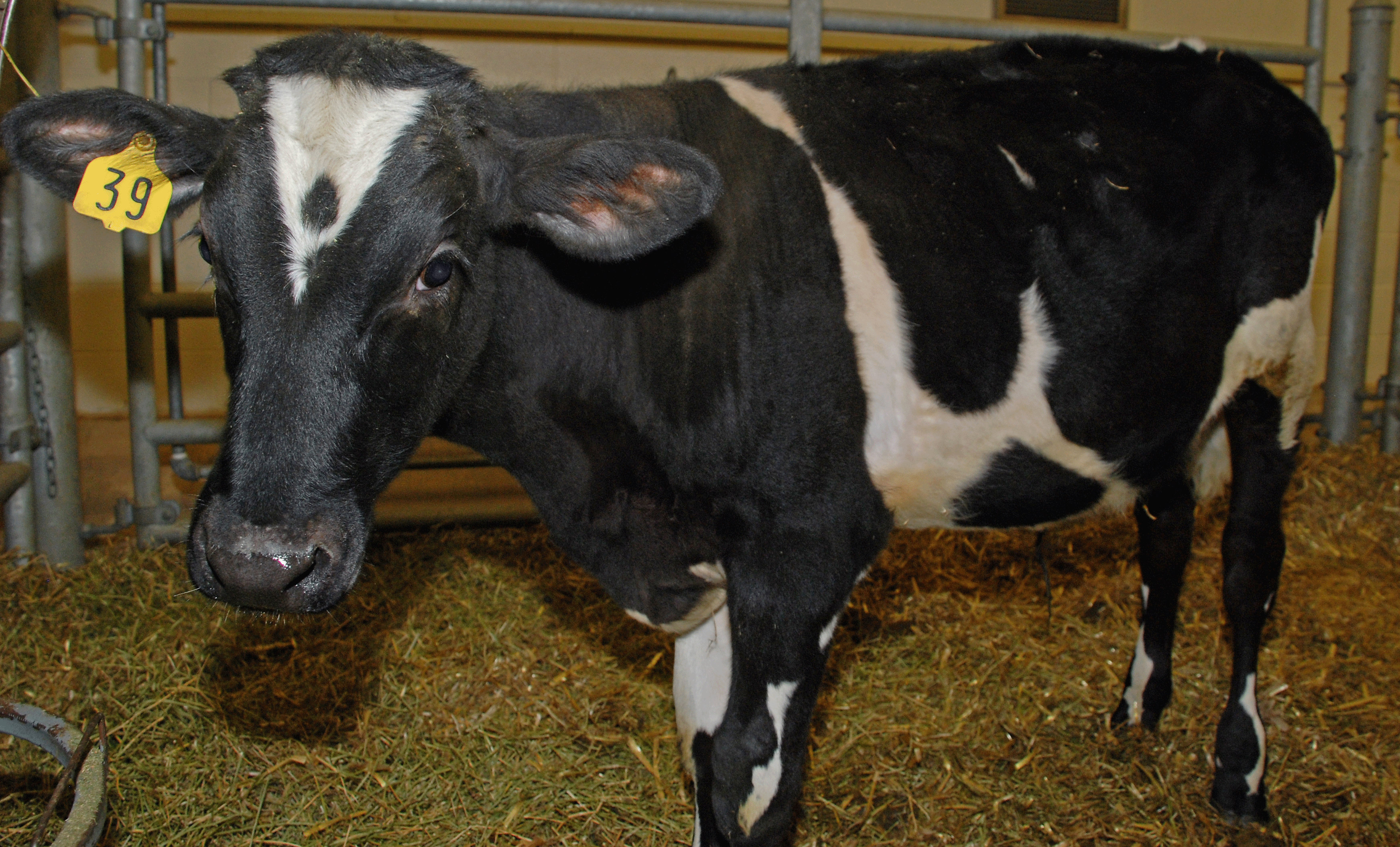
• Consumption of infected tissue
• Medical procedures (contaminated instruments)
• Inherited PRNP mutations
• Spontaneous misfolding
Diagnosis relies on symptoms, brain imaging, EEG, and CSF testing. There is no cure.

